La Grazia
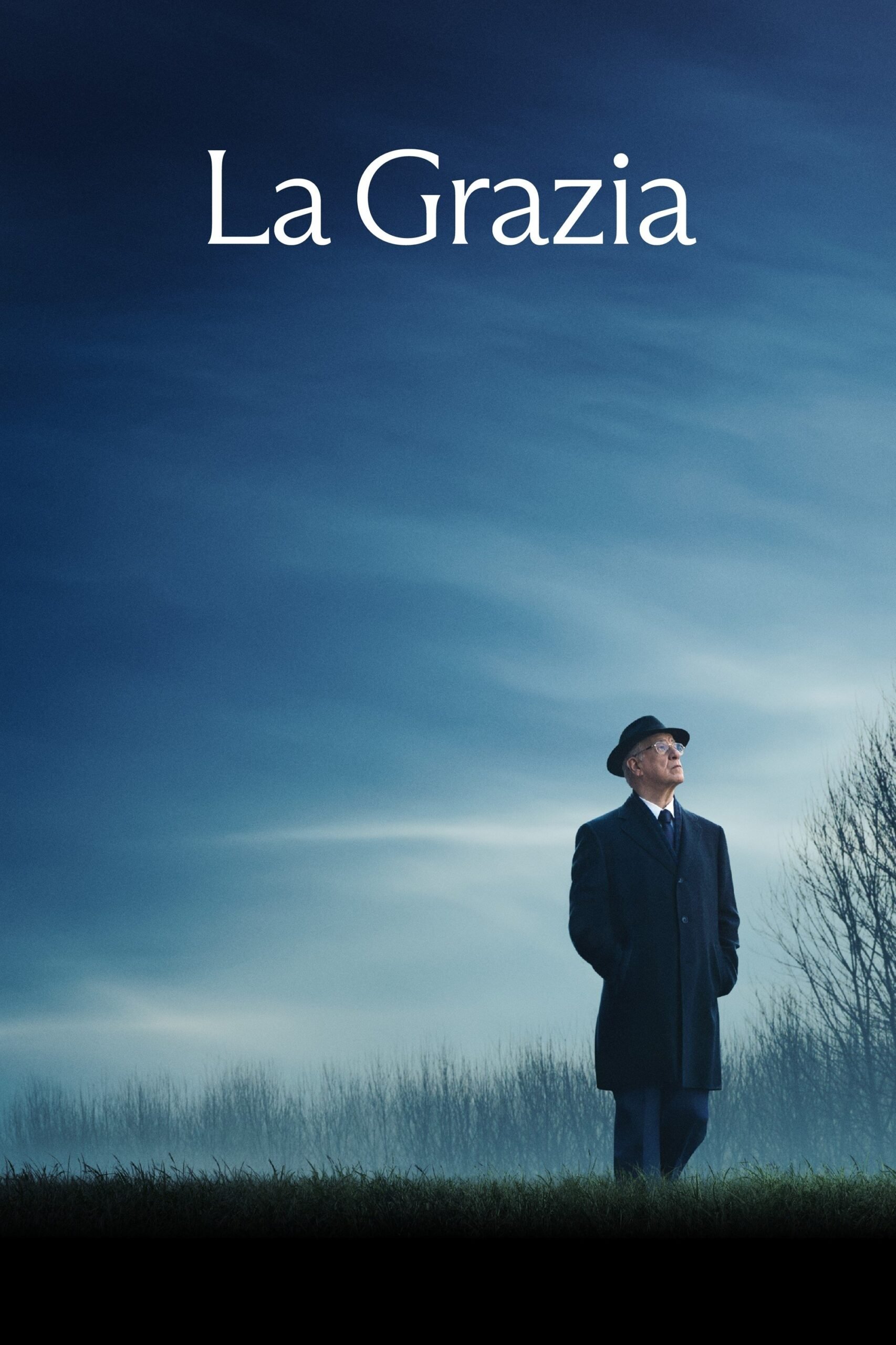
If for some reason you, like me, still carry a bit of trauma from Paolo Sorrentino’s previous film Partenope, don’t worry. La Grazia, unlike the last one, is far more substantial — and I’m telling you that right in the opening line.
The story of La Grazia presents a fictional tale about the President of Italy, Mariano De Santis, whose presidential term is coming to an end while he’s stuck in a full-on midlife crisis. A few years ago, he lost the love of his life. His relationship with his children is distant. He doesn’t understand his place in this world anymore. He’s trying to secure some sort of legacy for himself, while simultaneously being torn between his final presidential decrees — which don’t exactly match his moral compass as a hardcore Catholic and a once-inspired lawyer.
In this film, we follow a man who has lost himself, but who, importantly, hasn’t shut all the doors and hasn’t turned into one of those older people you simply avoid difficult conversations with because you know nothing will ever change. Instead, we’re shown someone so pragmatic and so skilled in navigating life that, even though everything is set up in a way that could make his path comfortable, he chooses to try something different just because he actually has the chance to see where it leads. He listens to his children and becomes a clear example of a very important idea — one I honestly think should be told to everyone: in the beginning of life, children follow their parents, but at some point, parents must start following their children.
This film from Paolo Sorrentino is surprisingly restrained, which isn’t typical for him — his contemplative haze and the many long shots filled with routine and quiet reflection can even throw you off a bit. And yes, the film is very long — and it absolutely feels long. It doesn’t really have a clear beginning or end, nor some super-obvious message behind it. But even with all that, it still comes across as a solid, watchable piece.
The inserts of modern music, the surprisingly dry — especially for Italians — humor, and the fantastic performance by Toni Servillo, who plays President Mariano De Santis, come together into a stylish and unusual piece. It may not make you reflect on something profoundly deep, which Sorrentino probably hoped for, but it gives you a story that never makes you feel like you wasted your time. And the simple fact that you willingly stay until the end to witness the decision the main character makes — and his final on-screen conversation with his children — and to see how dramatically the dynamics around him and within the film itself have shifted, is more than enough reason to buy a ticket and watch this movie.
7/10
Thanks to Gutek Film for the screening. The film is already out in North America and will arrive in Europe in early 2026.