Wuthering Heights

Two toxic people trying to out-toxic each other.
My relationship with Wuthering Heights started when I was around thirteen, because Bella Swan once swore it was the best book in the world. And in some way, she might have been right. It was probably one of my first real encounters with classic British literature, and the novel stayed with me for a long time.
So when it was announced that Emerald Fennell was making a new film adaptation starring Margot Robbie and Jacob Elordi, it was immediately clear that this wouldn’t be something typical. Once the first set photos and trailers dropped, it became obvious that we were getting a very fleeting, loose reading of the original novel — something I actually took quite positively as a fan of the book. I even did the thing I try never to do as a critic: I built expectations. Based on the early materials, I had already invented my own version of the film in my head — something slightly druggy, chaotic, a modern woman rereading the novel and going on some kind of cinematic trip. That didn’t happen.
I won’t retell the plot here. I assume everyone reading this knows Wuthering Heights and the story of love, hatred, and cruelty between Catherine and Heathcliff. What I will say is this: in today’s world, I don’t think anyone is capable of adapting Wuthering Heights in a fully serious manner and turning it into the ultimate peak of pure drama. So I was genuinely happy that everything pointed toward Fennell’s adaptation drifting far away from the original text.
That line was crossed — but here’s the strange part: I don’t think it was crossed far enough. Against the backdrop of a universally known novel, Emerald Fennell created something very artificial and unnatural. At times it feels fairy-tale-like, at times strange, horny, deliberately exaggerated, and sometimes outright like a fanfiction. But it also feels like she was afraid to fully step into something truly atrocious.
This constant balancing between “extra” and restraint felt like insecurity. At that point, you either go all in — or you don’t go at all.
I’d be lying if I said the film isn’t entertaining. It looks good, has some drama, and it does pull you in. If you’ve never read Wuthering Heights, you might even enjoy it more — without the constant comparison. Essentially, the film rushes through the main plot points of the novel without worrying too much about references or accuracy.
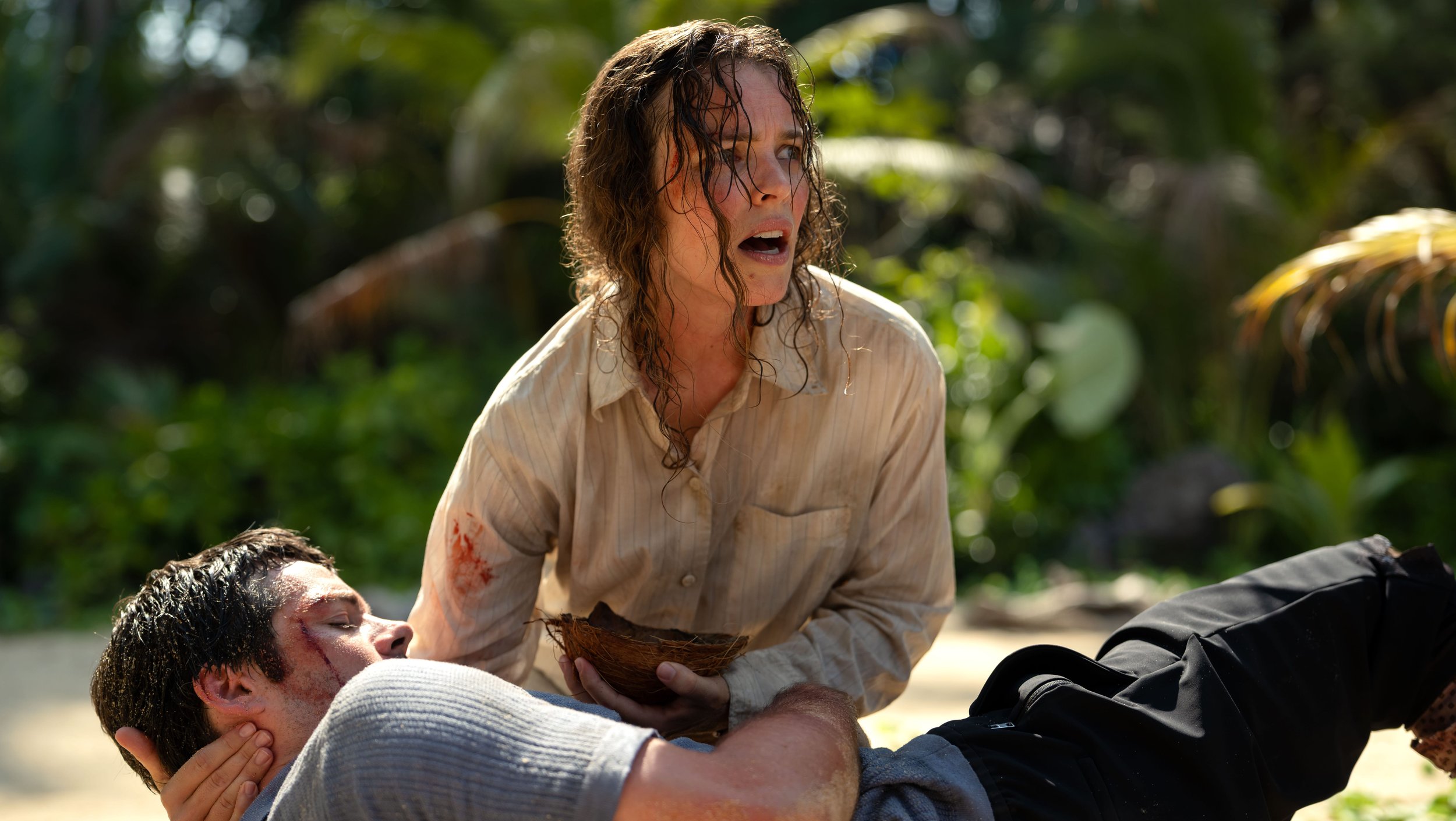
Does that mean the characters lose depth? Yes. We’re given simplified versions of everyone and their relationships. Honestly, the first part of the film — when we’re watching the characters as children — was the most interesting from a purely cinematic perspective. Owen Cooper, who completely blew people away in Adolescence, is fantastic here as well. Charlotte Mellington as young Catherine also works really well. Jacob Elordi fits the role of Heathcliff reasonably well. Margot Robbie never convinced me that she was right for Catherine.
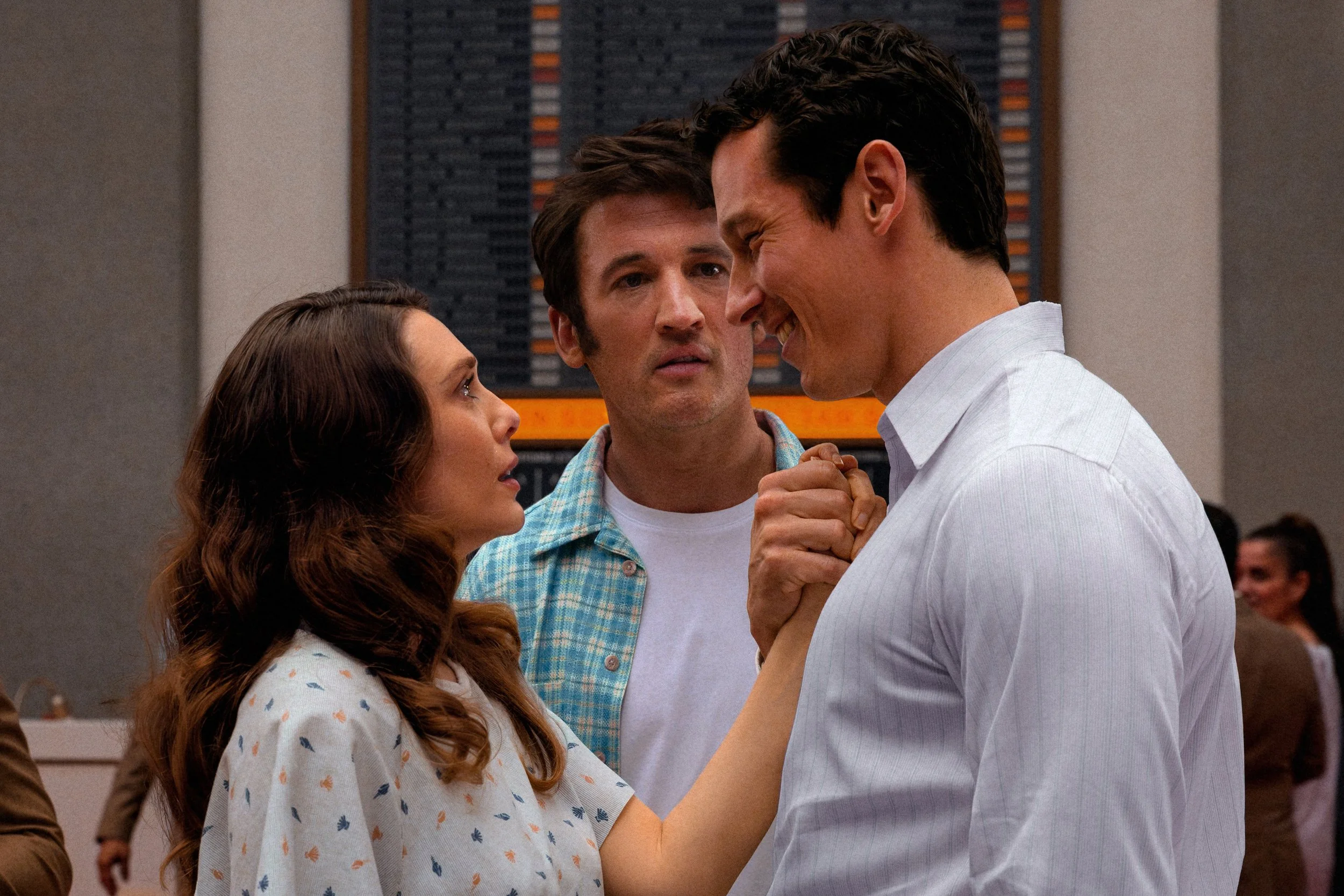
There’s far more connection between the children than there ever is later between the very adult, very un-book-like versions played by Margot Robbie and Jacob Elordi. Instead of the darkness, mutual self-abuse, and the inability to respect others — or even themselves — along with the heavy psychological layer that defines the novel (because, let’s not forget for a second, Wuthering Heights is not a romantic story at all, but rather a kind of psychological horror), we get something lighter and more playful.
There are genuinely good scenes here, and some truly beautiful cinematic choices, even if many of them feel standard, predictable, and at times a bit cheap in terms of set design. There is a lot to look at — especially if you’re open to very free interpretations of the source material and don’t mind liberties being taken.
Despite everything, the film does feel like an event — which is rare in cinemas these days. But throughout the entire runtime, there’s this lingering feeling that something is missing. For example… the entire second half of the novel, which everyone once again forgot about. The film ends with Catherine’s death. That’s it. No psychological resolution, no conclusions, no mention of the children at all. Any sense of the future that exists in the original story is simply gone.
In the end, this adaptation feels like a sweet, beautiful dessert that looks like a million dollars — but when you take a bite, it turns out to be a basic supermarket sponge cake.
What is undeniably great here is the soundtrack by Charli xcx and the score by Anthony Willis — but that’s a separate conversation, one for a music review.
Wuthering Heights remains an unconquered story when it comes to definitive screen adaptations. What we get here is “Wuthering Heights” in quotation marks — just like the poster promises. Strange, horny, beautiful, entertaining, and perfectly justified as a February 14 release.
6/10