BTS - Arirang
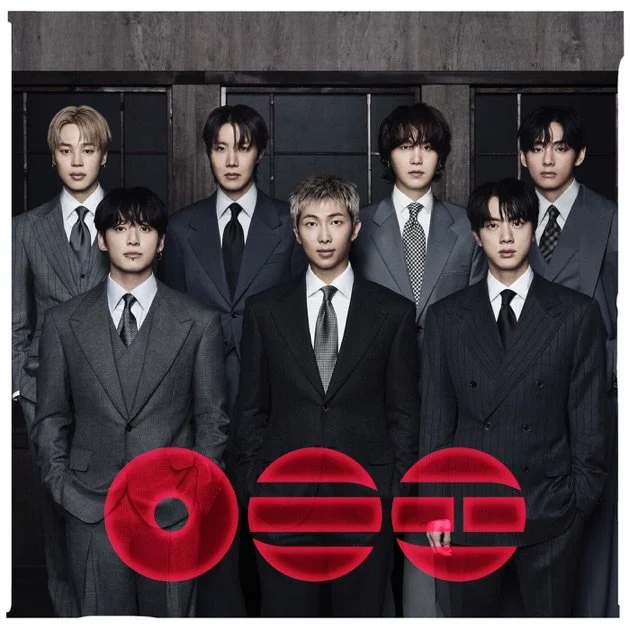
BTS’ first album in six years tries to be everything at once: ambitious, eclectic, and at times awkward.
It’s finally happened — BTS have returned with their first full-length studio album in nearly six years. Regulars in stan communities might call this day the worst in history, while for others, March 20 could feel like a national holiday. Either way, over the past few years we’ve heard solo releases from every member of what has become a truly iconic Korean pop group. Their quality and success have varied, but each project seemed to raise the bar a little higher. And while the members were serving in the military, their fanbase understandably grew hungry for new material.
Now the day has come: ARIRANG, their sixth studio album, is meant to mark BTS’ return to the pop big leagues. Love them or not, over the past decade BTS have arguably become one of the most influential Korean acts ever — and unquestionably the main force behind bringing Korean music to Western mainstream audiences. But does the end always justify the means? Well…
The album opens with “Body to Body”, a sweet message to the fans who waited so long. It could have worked as a strong opener, but the mid-2010s trap production feels dated, and some of the vocal performances come off as clumsy and out of place. Meanwhile, the closing track “Into The Sun” aims for current U.S. trends: starting as a basic country tune, it almost taunts the listener with harsh vocoder effects before erupting into a powerful guitar riff clearly designed for a dramatic stadium finale.
Early in the tracklist, the absurdly playful “Hooligan” stands out — though it’s hard not to hear it as a bargain-bin imitation of recent Tyler, the Creator releases, awkwardly reshaped into a K-pop format. At times, it feels like the long hiatus affected the group’s artistic direction: there’s a sense of regression, making many ideas seem overly familiar and repetitive. Even promising concepts suffer in execution. “Aliens” tackles the compelling theme of alienation in a foreign culture, but the heavy-handed autotune makes it unpleasant to listen to.
That said, the album does have its highlights. “FYA”, created in collaboration with experimental rapper JPEGMAFIA, features a catchy structure and confident delivery, even if the lyrics aren’t particularly strong. Still, it has clear hit potential and doesn’t prompt you to skip ahead. Over distorted beats and warped vocals, BTS sound more self-assured than ever. The track flows smoothly into the equally enjoyable “2.0”, where the group reflects on their journey — from their early days together to solo ventures, military service, and their return to the spotlight.
However, “Swim”, promoted as the album’s lead single, leaves no real impression. It feels too bland and overly polished compared to the more experimental moments on ARIRANG, yet lacks the hook needed to stick with a mainstream audience. A better title track choice would have been the following “Merry Go Round” — a dreamy love ballad that blends the group’s signature style with gentle dream-pop textures. Another pleasant moment, “Please”, is melodic enough to briefly return the album to more familiar K-pop territory.
The main issue with ARIRANG is that, despite being framed as a “return to roots,” it often sounds like everything else. “NORMAL” could easily be performed by Shawn Mendes. Swap in Post Malone or Machine Gun Kelly on “Like Animals”, and little would change. The shimmering, early-2000s-inspired “One More Night” feels like a generic EDM track straight off a F1 soundtrack, with soft, autotuned crooning reminiscent of Don Toliver layered on top. Its stylistic inconsistency can be disorienting, making the record as a whole feel unfocused — less like a cohesive album and more like a Spotify playlist packed with whatever sounds happen to be trending. In the process, BTS’ distinct identity gets lost.
For ARIRANG, BTS assembled an impressive roster of producers and writers — from Diplo and Mike Will Made-It to Tame Impala and JPEGMAFIA. On paper, this looked promising, but the execution feels uneven, blurring whatever message the artists intended to convey. ARIRANG tries to be everything at once, repeatedly stumbling over questionable (or outright poor) creative decisions. But perhaps BTS’ success doesn’t depend on that: why meet expectations when the fanbase will be satisfied regardless? With each new release from major pop stars, that theory seems increasingly convincing.
5.1/10