Gorillaz - The Mountain
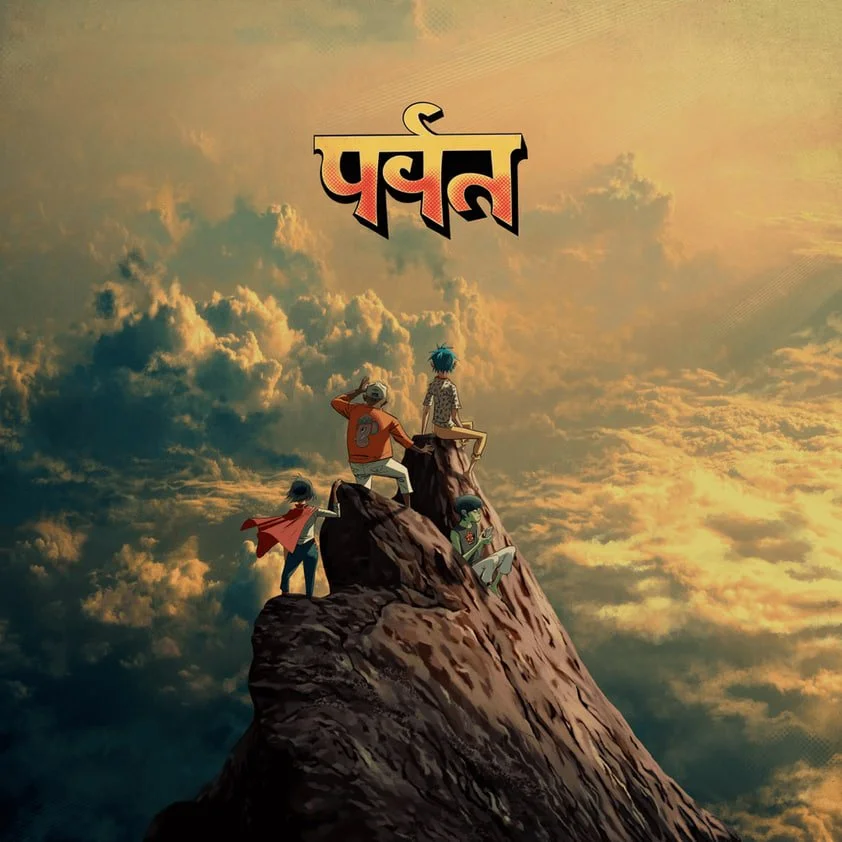
The ninth studio album by Gorillaz is a vibrant conceptual work that embraces more themes than one might expect.
Describing the Gorillaz’ music as something fixed has never been easy: each of their records has shifted the sonic direction, explored different subject matter, and featured guest appearances ranging from underground heroes to internationally acclaimed superstars. The Mountain, the British group’s ninth album and their first independent release, finds frontman Damon Albarn and co-creator Jamie Hewlett at a difficult crossroads, both having lost people close to them. In search of reflection and renewed inspiration, they travel to India, where they record one of the most striking projects of their career.
The Mountain examines loss and the afterlife through the lens of the band’s animated personas. Compared to its predecessor, Cracker Island, this release is notably longer and far more eclectic in sound. Alongside the art-pop sensibilities that have long earned the group critical acclaim, one of the album’s defining influences is classical hindustani — clearly heard on the opening title track, which evokes the meditative quality of an Indian mantra. It gently immerses the listener into the band’s surreal animated universe. Across all 15 tracks, Albarn is joined by a diverse ensemble of collaborators, including established acts like Idles, Tony Allen, and Black Thought, as well as artists such as Anoushka Shankar, Omar Souleyman, and Ajay Prasanna. Their contributions significantly shape the album’s musical landscape, giving it remarkable breadth and stylistic variety.
The lead single, “The Happy Dictator”, delivers sharp satire aimed at false prophets who promise salvation and bliss. These figures appear benevolent yet authoritarian, blurring the line between protector and oppressor. Throughout the track, the refrain “what a happy land we live in” echoes like propaganda — insisting on joy in the face of emptiness, fury, or collapse. This theme resurfaces in “The God Of Lying”, where the relentless repetition of frontman Joe Talbot’s bleak observations about the state of the world becomes increasingly suffocating. News cycles are dominated by reports of wars, poverty, corruption, and environmental crises. The constant barrage suggests a deeper fear: that we are becoming desensitized, unable to truly hear or respond to the horrors unfolding around us.
At the same time, Albarn confronts personal grief on tracks like “The Hardest Thing”, “Orange County”, and “The Empty Dream Machine”. Here, the band delves into mourning and spiritual introspection, with particular emphasis on the process of enduring profound loss. Alongside the pain of losing someone dear comes the haunting question of what becomes of them — and, ultimately, of us. Rather than simply conveying sorrow, these songs subtly prompt listeners to contemplate their own mortality. Another standout moment, “The Plastic Guru”, offers biting social commentary, skewering deceptive marketing tactics and outright fraud. It also targets false idols and celebrity culture — ironically, the very forces that inspired the creation of Gorillaz. Perhaps the album’s most vivid highlight, “Damascus”, turns its attention to the era of hyper-consumerism, contrasting homemade coffee with Starbucks and presenting an alternative perspective on a lifestyle defined by constant relocation.
Ultimately, The Mountain swells with its fragmented narrative threads—something that could have undermined the record, yet the band channels this expansiveness into heightened emotional intensity. While some previous releases occasionally felt either overcrowded or understated, The Mountain stands as one of the most cohesive, deliberate, and multifaceted albums in Gorillaz’ catalog to date. The journey to India provided Damon Albarn with a creative resurgence, one he transformed into a vivid and socially resonant artistic statement.
7.8/10