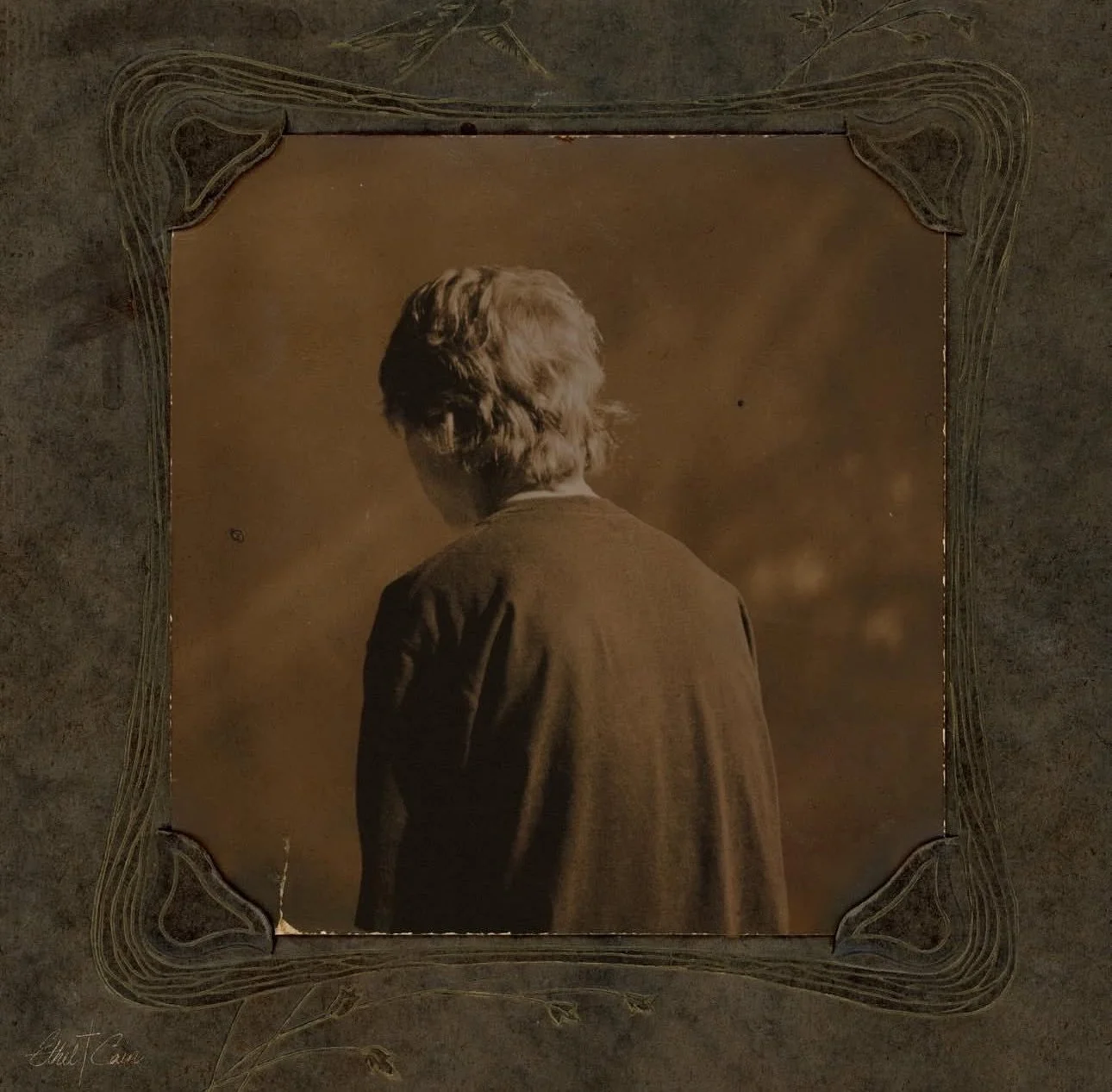
Mitski - Nothing’s About to Happen to Me

The eighth studio album by Mitski is cinematic and intricate, its quiet madness vividly mirroring the complexity of human life.
Following the global success of The Land Is Inhospitable and So Are We, which gifted listeners the already classic My Love Mine All Mine, Mitski returns with a new record. Nothing’s About to Happen to Me was once again recorded with Patrick Hyland, and its expansive sonic palette both develops the ideas explored on its predecessor and echoes the spirit of her earlier work.
For the most part, the eighth LP by the Japanese-American artist tells the story of a withdrawn woman who appears to be a reckless rebel beyond the safety of her home, yet feels like a liberated bird within it. Nothing’s About to Happen to Me moves between intimacy and detachment: Mitski sings in abstract images, yet her emotions remain strikingly tangible, inviting deep empathy. Take the opening track “In a Lake”, where she reflects on the consequences of misguided choices. She feels trapped, likening the sensation to life in a small town where everyone knows each other and secrets cannot survive. At the same time, there is something liberating in the image of a lake—a form of escapism where nothing exists but you, the water, and the sky.
Societal pressure resurfaces on “Where’s My Phone?”, the lead single steeped in slacker-rock aesthetics, recalling her earlier albums Bury Me at Makeout Creek and Puberty 2. Here, mental strain intensifies with each verse as the singer attempts to silence intrusive thoughts. Ultimately, whether to surrender to them or resist becomes an intensely personal choice.
Another central theme of Nothing’s About to Happen to Me is love. On “Cats”, Mitski portrays a state of emotional dependence so overwhelming that life without the other person feels impossible. The stunning “If I Leave”, which erupts and shimmers after the second verse, extends this meditation on mutual codependency. Here, she becomes convinced that only her lover can truly understand her struggles with mental health and her outlook on the future. One of the album’s most heartbreaking moments arrives with the bossa nova vignette “I’ll Change for You”, immersing the listener in quiet sorrow. Memories of a love now gone feel both intimate and distant; the song tears at you from within.
The longing for isolation heard in the opening tracks continues on “Instead of Here”, one of the album’s standouts. Mitski depicts herself as a neurotic figure who, shaped by past upheavals, would rather flee than conform to society’s expectations. On the cinematic, almost theatrical “Dead Women”, she appears to reference the death of Virginia Woolf, who, like the lyrical heroine, drowned herself in a river weighted down with stones. Mitski raises the issue of how women’s stories are distorted — romanticized, embellished, and rarely told in their unvarnished truth. She wonders how her own narrative will be shaped after her death. A related idea surfaces in the carnivalesque, almost celebratory “Rules”, where she acknowledges the need to obey conventions and appease society in order to fit into other people’s lives.
The title Nothing’s About to Happen to Me barely captures the album’s essence. Throughout the record, Mitski repeatedly invokes death, sways between extremes, and presents herself as a woman caught in inner turmoil. It is difficult to pinpoint exactly what shaped this emotional landscape, but one thing is certain: Nothing’s About to Happen to Me refuses to adhere to any conventional standards. Lyrically and musically restless, unapologetic in its language, the album fully embodies its core idea — that melancholy can sometimes be strangely magnificent. Mitski’s latest release feels like a wound whose scab you keep peeling back, just to watch the blood flow once more.
8.3/10