Mumford & Sons - Prizefighter
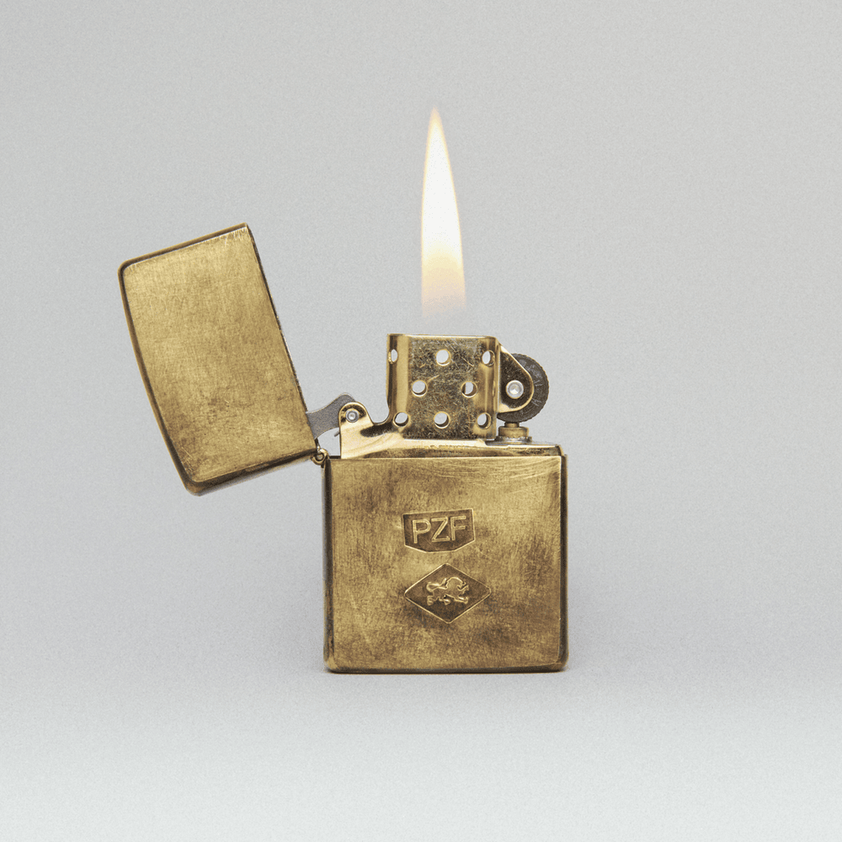
The American folk-rock band's sixth studio album combines intriguing ideas and witty sketches, but too often it freezes in place, unwilling to take the plunge.
It’s been less than a year since the release of Rushmere, and the Grammy-winning collective Mumford & Sons is already back with a new record: Prizefighter, arguably their most cameo-stacked and collaboration-heavy effort to date. Cut in just ten days with producer Aaron Dessner, the album boasts contributions from songwriting heavyweights Brandi Carlile, Justin Vernon, and Finneas. On paper, it reads like a summit of modern Americana. In practice, Prizefighter struggles to leave a lasting imprint.
The band extends the groundwork laid on Rushmere, burrowing further into country-pop’s lineage. To underscore that pivot, they enlist contemporary country titan Chris Stapleton, who on “Here” sounds less like a guest and more like a gracious host welcoming listeners into the room. He’s followed by Irish crowd favorite Hozier, whose turn on “Rubber Band Man” supplies one of the album’s most fully realized moments.
More often than not, the record truly gleams when someone other than Marcus Mumford takes the mic. The collaboration with Gracie Abrams, “Badlands”, unfolds with poise and cinematic sweep, evoking the dusty romanticism of mid-century American Westerns. Likewise, Gigi Perez elevates “Icarus”, her presence giving the track a burnished warmth, as if lit by late-afternoon sun.
To be fair, not every high point depends on star power. “Conversation With My Son (Gangsters & Angels)”, written for Mumford’s child, stands among the album’s most affecting lyrical achievements — a tender, unguarded address that lands with quiet force. Then there’s “Stay”, one of the record’s more propulsive cuts. It’s hardly a reinvention of the band’s sonic blueprint, but it injects a jolt of energy into an otherwise muted palette.
Still, Prizefighter is hampered by a nagging sense of indecision. By the fourth track, the album feels suspended in midair, unable to advance or retreat, and that inertia lingers through its closing stretch. The songs themselves aren’t failures; several boast sturdy hooks and thoughtfully crafted lines. Yet the overarching statement remains frustratingly diffuse. At times, it even seems as though Mumford & Sons are uncertain about their own trajectory.
Take the title track or “Alleycat”: their thematic concerns—love, self-betterment, the search for grace in a fractured world—are clear enough. The execution, however, rarely matches the ambition. Just when a cathartic swell feels imminent, Mumford pulls back; arrangements flatten, the frontman’s presence turns oddly distant. In its more labored passages, Prizefighter can feel almost airless, transforming what should be an immersive listen into something closer to an endurance test.
5.8/10