Coward

Lukas Dhont continues exploring queer stories, this time travelling back to the early 20th century.
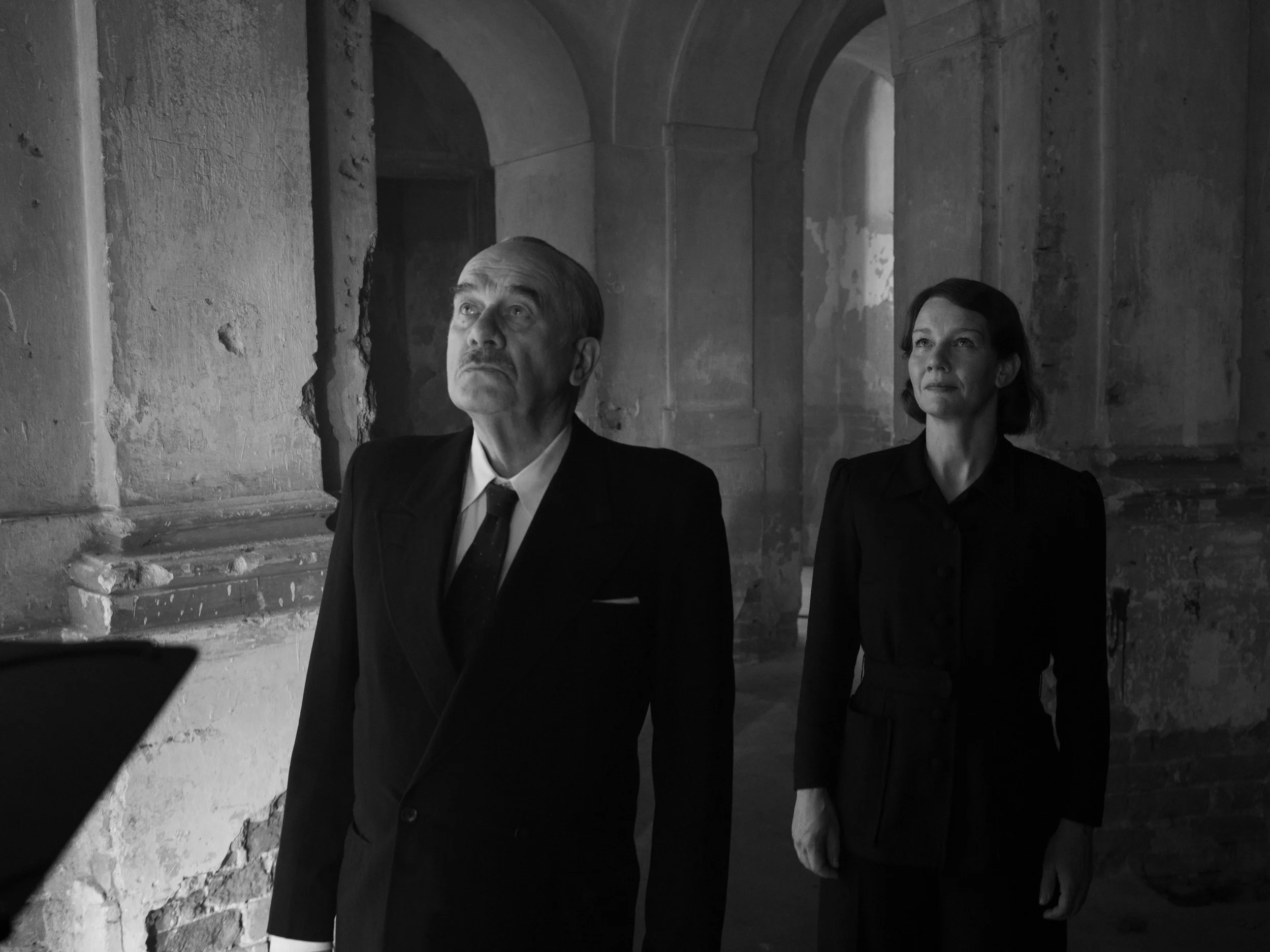
Coward follows Pierre, a young soldier serving on the Belgian front during World War I. Stationed alongside him is Francis and a group of performers whose job is to entertain the troops through theatre, songs and cabaret. As a romance slowly develops between Pierre and Francis, both men are forced to reconsider their views on life, love and what they are willing to fight for against the backdrop of one of history's most horrific wars.
Coward is a brilliant example of a film built entirely on contrasts. On one side, we are confronted with terrifying images from the battlefield: dying soldiers, devastating injuries and all the horrors that inevitably come with war. On the other, we watch people desperately trying to preserve their sanity by finding moments of joy in each other, in friendship, in performance and in simply being alive for another day.
The film also constantly contrasts courage and cowardice, clear-mindedness and the desire to give up, the need to love and the instinct to survive, the urge to escape reality and the impossibility of doing so. Dhont pushes these opposites to their absolute limit. Every few minutes the emotional tone shifts completely, making the audience feel as though they're constantly being thrown into an emotional cold shower, jumping from one feeling to another almost without warning.
At the same time, Coward remains an incredibly grounded film that never forgets about human weakness or our desire to hold onto something beautiful, even in the darkest circumstances. Thanks to that realism and the carefully written supporting cast, everything unfolding on screen feels authentic. The film knows exactly how to press the right emotional buttons. When it wants you to be afraid, you are. When it wants you to admire someone, you do. It knows when to make you tense, when to let you breathe, and even when to make you smile.
Every time it feels like hope has completely disappeared because another character breaks down or someone dies, Francis and his boys step forward. They understand perfectly well that everything around them is falling apart, yet they keep putting on a brave face because they know their purpose is to bring at least a few moments of happiness to the soldiers around them.
The characters themselves are wonderfully layered, and that’s largely thanks to the performances from the two leads. For Emmanuel Macchia, Pierre marks his feature film debut, and it is nothing short of remarkable. His performance is incredibly focused, almost boyishly simple at times, and fully deserving of the recognition it received in Cannes. Valentin Campagne, who plays Francis, is also at the beginning of his career, yet he creates such a complex, eccentric and nuanced character that it becomes pretty much impossible not to fall in love with him and wish him all the very best.
Ultimately, Coward is a tragic, multilayered and deeply emotional story that never completely loses sight of hope. It is a film willing to open its heart to anyone willing to spend their time with it in a cinema.
9/10