Fjord

At the 2026 Cannes Film Festival there were quite a few disappointments, but Cristian Mungiu’s new film Fjord is definitely not one of them.
The movie tells the story of the Gheorghiu family and the beginning of their new life in a small Norwegian town they move to from Romania, as it is the homeland of Lisbet’s mother. Her husband Mihai is Romanian, and the whole family with their five children previously lived there. What at first seems like a very friendly, open and progressive society around them suddenly becomes their main opposition after a school social worker notices bruises on one of the girls and immediately calls child protection services, which leads to all of the children being taken away from the parents and starts the story of a massive legal drama. An important detail is that the Gheorghiu family are extremely religious and belong to one of those ultra-conservative religious sects.
Despite its calm pacing, clear storytelling and a very understandable concept, the film somehow manages to tell a much larger story that can easily be viewed far beyond questions of community, religion, conservatism and liberalism. It becomes a story about the complete misunderstanding between different groups of people in the modern world. At the same time, Cristian Mungiu very consciously keeps an ambiguous position throughout the entire movie, never fully taking the side of either party involved. We are basically left as outside observers, almost like a fly on the wall during this whole process, and every conclusion is left entirely to us.
On one side, this is a story about orthodox religious conservatism bordering on fanaticism, where very questionable values for a liberal-minded person thrive, alongside methods of parenting, lifestyles, and mindsets that can at times feel completely unacceptable. On the other side, there is a liberal society with its “we-know-it-all-better-than-anybody-else” attitude and a sense of moral superiority. But if you look at the film more broadly — and this is something that personally stood out to me a lot as an immigrant — it is also a story about how difficult it is to truly integrate into another society, no matter how open it may seem on the surface.
The film brilliantly uses these tiny little droplets throughout the entire runtime where somebody tries to say something supportive or kind, but unintentionally still builds a wall by saying things like “Well, in your culture…” or “This is not how we do things here”. And that becomes one of the film’s strongest ideas. No matter where you go, at any moment you can still suddenly feel like a complete outsider. And sometimes, if you are too different from what local people are used to, you can become not only the object of awkward looks or conversations behind your back, but the center of an attempt to “teach” you something and establish dominance over what they personally consider to be morally right.
What also makes all of this interesting is the fact that the story takes place in Norway — within a legal system famous for its uncompromising protection of children’s rights and very developed liberal values. And when these two worlds collide and completely fail to understand one another, constantly accusing each other of different extremes while we as viewers can clearly see that neither side is fully right, the film starts forcing us to think about possibilities and perspectives that people from different political, religious or ideological camps often do not spend enough time considering anymore. In today’s world, where everything feels so fast, aggressive and divided, it has become very normal to blindly stick to your own camp and fully believe everything happening inside of it. And that is the biggest strength of this film: it questions absolutely everything, leaves these questions hanging in the air and pushes them directly at the audience.
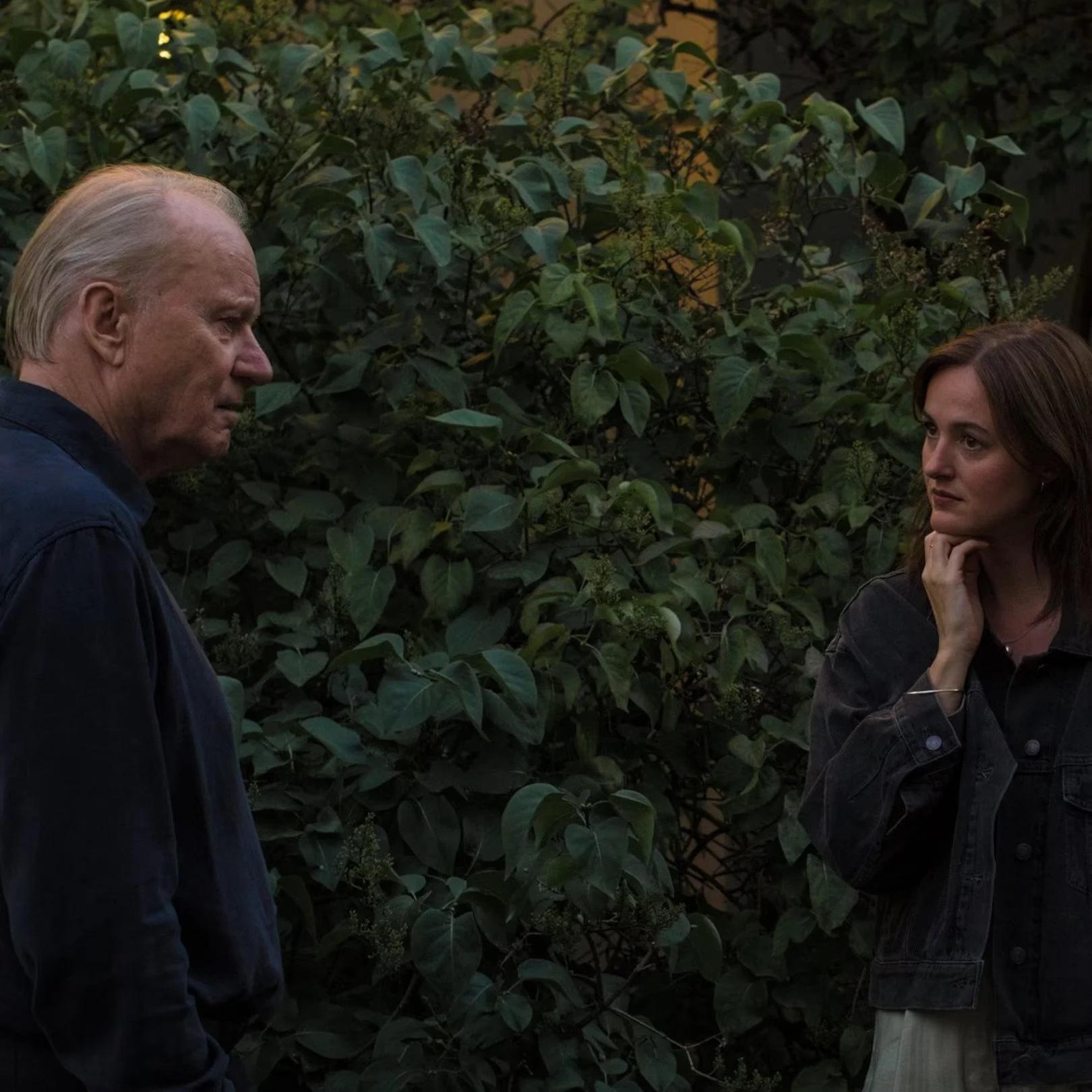
I also want to separately mention one of the main stars of the film — Norway itself. As Cristian Mungiu correctly joked during the Cannes press conference, when you shoot in Norway it is already objectively beautiful and you barely have to do anything else. But besides Norway, the real stars of the movie are definitely Sebastian Stan and Renate Reinsve, who are both fantastic here and deliver incredibly layered and complex relationships on screen. As some of my colleagues mentioned after the premiere, Mihai and Lisbet do not really feel like a traditionally loving or romantic couple, but it is important to remember that we are talking about an ultra-conservative Christian family where ideas of intimacy, romance and love work very differently.
Both leads handle their roles incredibly well. Mihai’s blind rage and desperate attempts to defend his beliefs, alongside Lisbet’s obedience mixed with maternal anger and her search for personal justice, are portrayed brilliantly by both actors. In general, the entire cast does a fantastic job, and thanks to them, combined with the strong screenplay and storytelling, the more-than-two-hour runtime flies by almost instantly.
In the end, Fjord is a complicated, maybe slightly provocative, but definitely brave film that is ready to challenge people and demand discussion. And against the backdrop of how painfully divided society feels right now, movies like this feel incredibly relevant.
8/10