Half Man
Brother from another lover.
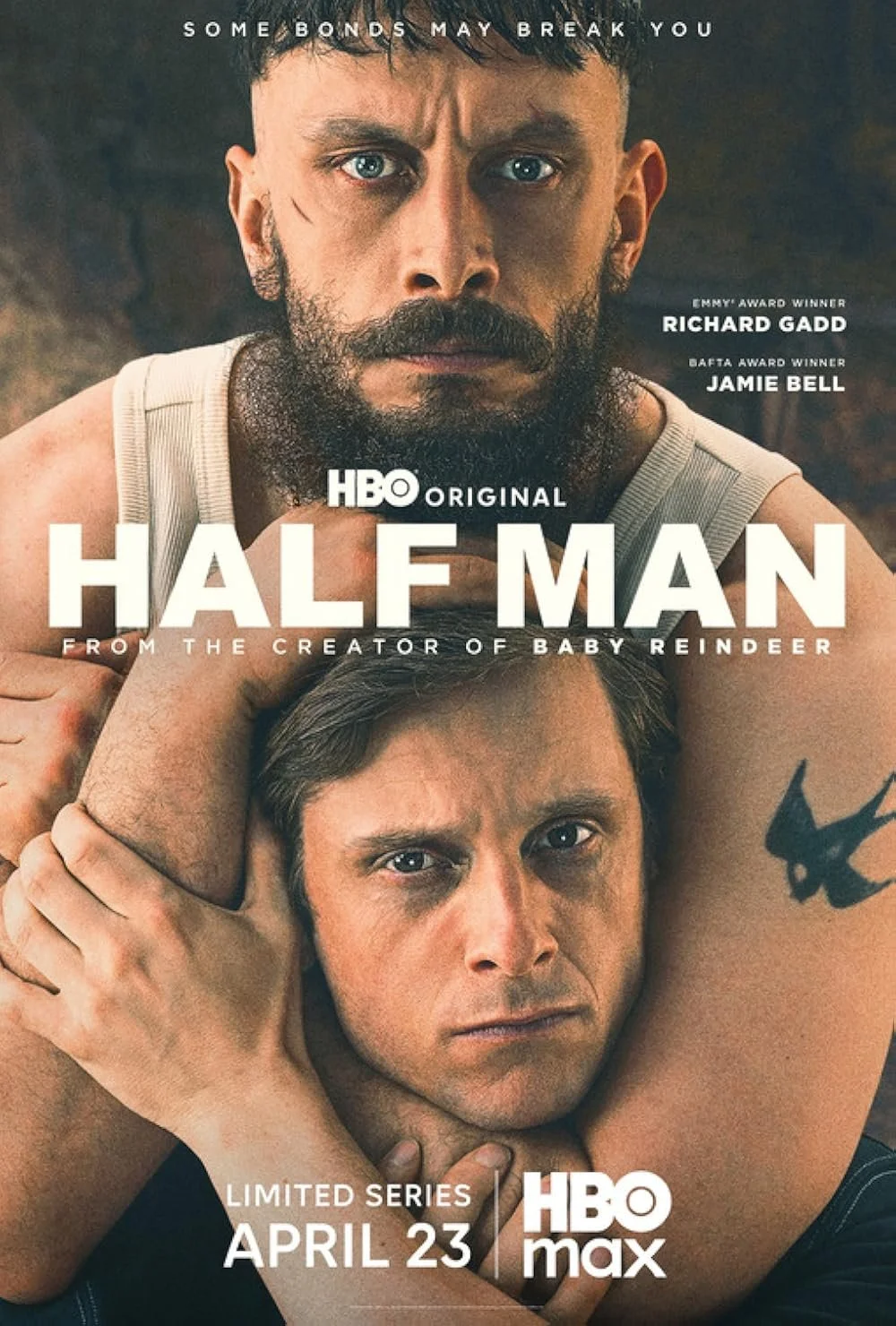
Richard Gadd has done it again.
The comedian and writer, whom I for some reason keep calling the male version of Phoebe Waller-Bridge, explores such extreme corners of masculinity, codependency, and self-destruction in his new miniseries Half Men that I already feel comfortable calling it one of the best television projects of the year, without even waiting to see what the second half of 2026 has in store.
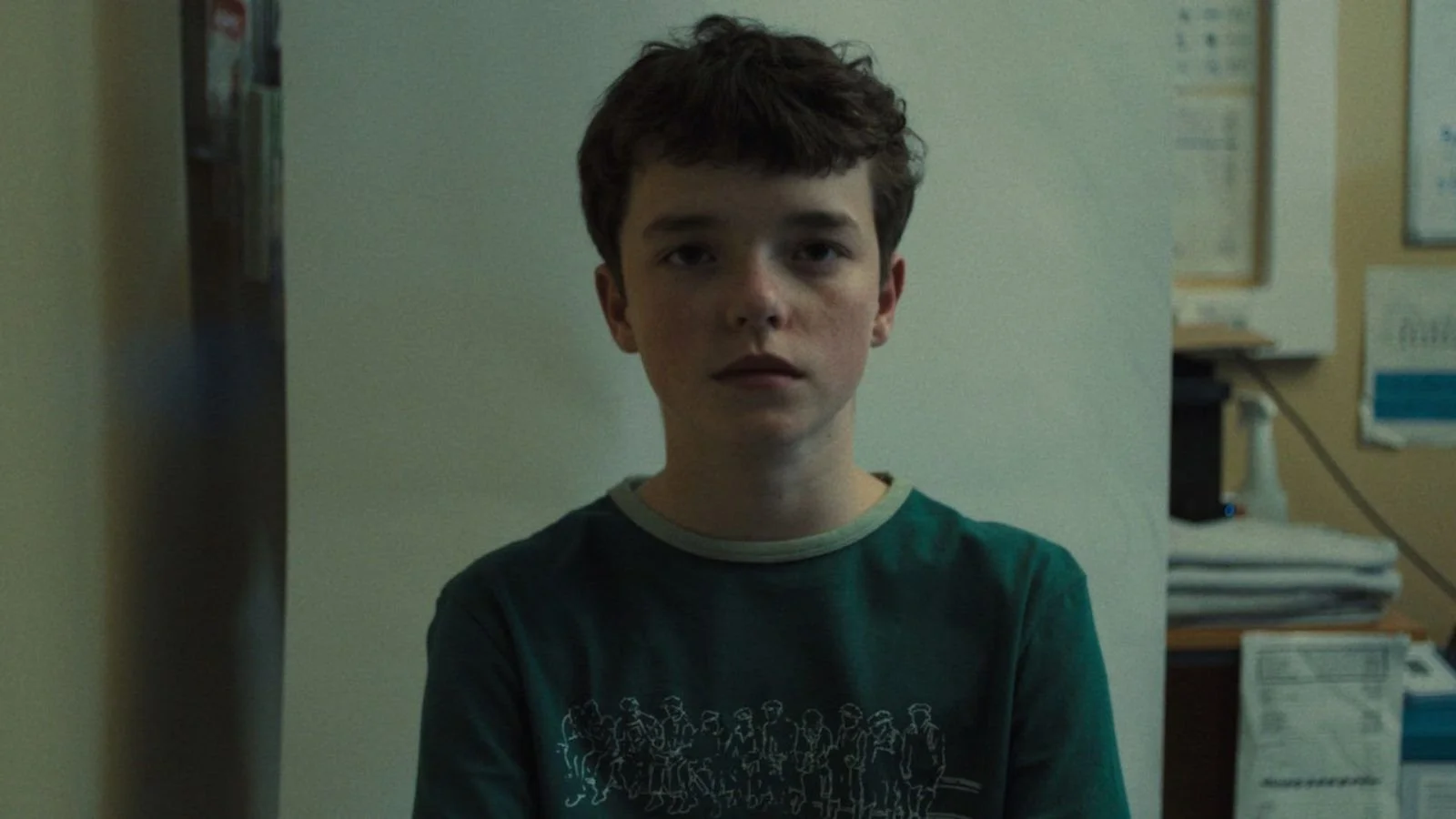
The series follows Ruben and Niall, two boys who grew up as brothers despite not being related by blood, thanks to the unusual romantic relationship that formed between their mothers in the late 1980s. Ruben is a genuine juvenile delinquent with no understanding of boundaries, morality, or restraint. He is frightening, violent, and exactly the kind of person you would never want to meet alone in a dark alley. Niall, meanwhile, is quiet, withdrawn, fearful, and constantly bullied by his classmates. Despite their differences, an incredibly powerful yet difficult-to-define bond develops between them. At the same time, both boys seem to absorb the worst traits from one another, carrying them into adulthood.
The series also jumps forward thirty years to Niall's wedding, where the two men are forced to confront the complicated and perhaps unsolvable issues that have accumulated throughout their lives. Through a series of flashbacks across six episodes, Half Men gradually reveals what happened and how these characters arrived at such a devastating conclusion.
This is a genuinely challenging show to watch. There are moments where you simply need to pause and sit in silence for a minute. In typical Richard Gadd fashion, the series is not interested in being comfortable. It is disturbing, brutal, frightening, and deeply physical in the way it presents its story. Through Ruben and Niall, Gadd explores deeply rooted problems surrounding masculinity that have existed for generations and continue to exist in our society today, becoming increasingly radicalized in recent years.
At its core, this is a story about what happens when people grow up without positive examples around them. It examines the desperation people fall into when they are trying to escape themselves and the destructive survival mode that ends up hurting not only them, but everyone around them.
Ruben and Niall represent opposite sides of the same tragedy. Ruben is the embodiment of toxic masculinity, suppressed vulnerability, rage, and violence. He solves every problem with his fists and carries such an overwhelming anger inside him that he is capable of almost anything in a moment of fury. Niall, meanwhile, lives in a state of codependency and admiration toward Ruben's masculine strength while simultaneously hating himself for who he is. Knowing from his teenage years that he is gay, his self-hatred slowly consumes every aspect of his life, pushing him into increasingly destructive choices that affect not only himself, but his mother and even Ruben.
Both men are toxic. Both are selfish. Both are capable of terrible things. Yet beneath all of that lies profound internal agony and a complex history that explains, though never excuses, the people they become. The result is two incredibly layered, frightening, and painfully believable characters who absolutely exist in the real world and who most people would probably hope never to encounter.
The codependency between them, constantly shifting between love and hatred, becomes the defining force of the story. It shapes Niall's entire life and leaves a permanent mark on Ruben's fate. The writing refuses to stay within comfortable boundaries. It is difficult, brutal, and often hard to watch, but every turn reveals something deeper about these characters and about human nature itself. Everything surrounding the two leads is written with remarkable precision and craftsmanship.
The show does require some patience. The first episode may strike some viewers as strange or even unpleasant. But trust me, it is worth it. Once the story fully opens up, it completely pulls you into its world. You have to step into some very dark places to get there, but the clarity and confidence of the writing make the journey worthwhile.
Of course, none of this would work without the performances. Stuart Campbell and Mitchell Robertson do a fantastic job portraying the younger versions of Ruben and Niall, establishing both the characters and the foundations of their complicated relationship. Later, Richard Gadd and Jamie Bell take over and completely knock you off your feet. Their performances are extraordinary.
Episode four is one of the strongest television episodes I have seen this decade. It is an episode that leaves you almost unable to breathe because of the tension and because of the absolutely unbelievable performances. The hospital sequence is among the most powerful pieces of television writing and acting I have seen in recent years, and if it does not end up receiving major awards recognition, it would be a serious oversight.
The supporting cast is excellent as well, and it is obvious how carefully controlled every aspect of the project was under Gadd's direction. Not every supporting character, particularly some of the female characters, receives the same level of depth as the two leads, but the overall ensemble remains incredibly strong throughout.
My only real criticism is that the final episode and the road leading toward the climactic barn scene felt like they were missing something or felt a bit too rushed into pushing us to the finale, but at the same time you get used to this roller coaster of emotions by that point.
Even so, I genuinely believe Half Men has the potential to become a modern classic and an important piece of television when it comes to exploring toxic masculinity and the extreme forms of self-hatred that people are capable of carrying within themselves. As expected, the self-destruction of these two brothers ultimately leads to them destroying one another, and the questions raised by the series deserve discussion far beyond television circles. They are conversations worth having as a society.
9/10