Teenage Sex and Death at Camp Miasma

“There is a hole at the bottom of the lake where the movies come from”.
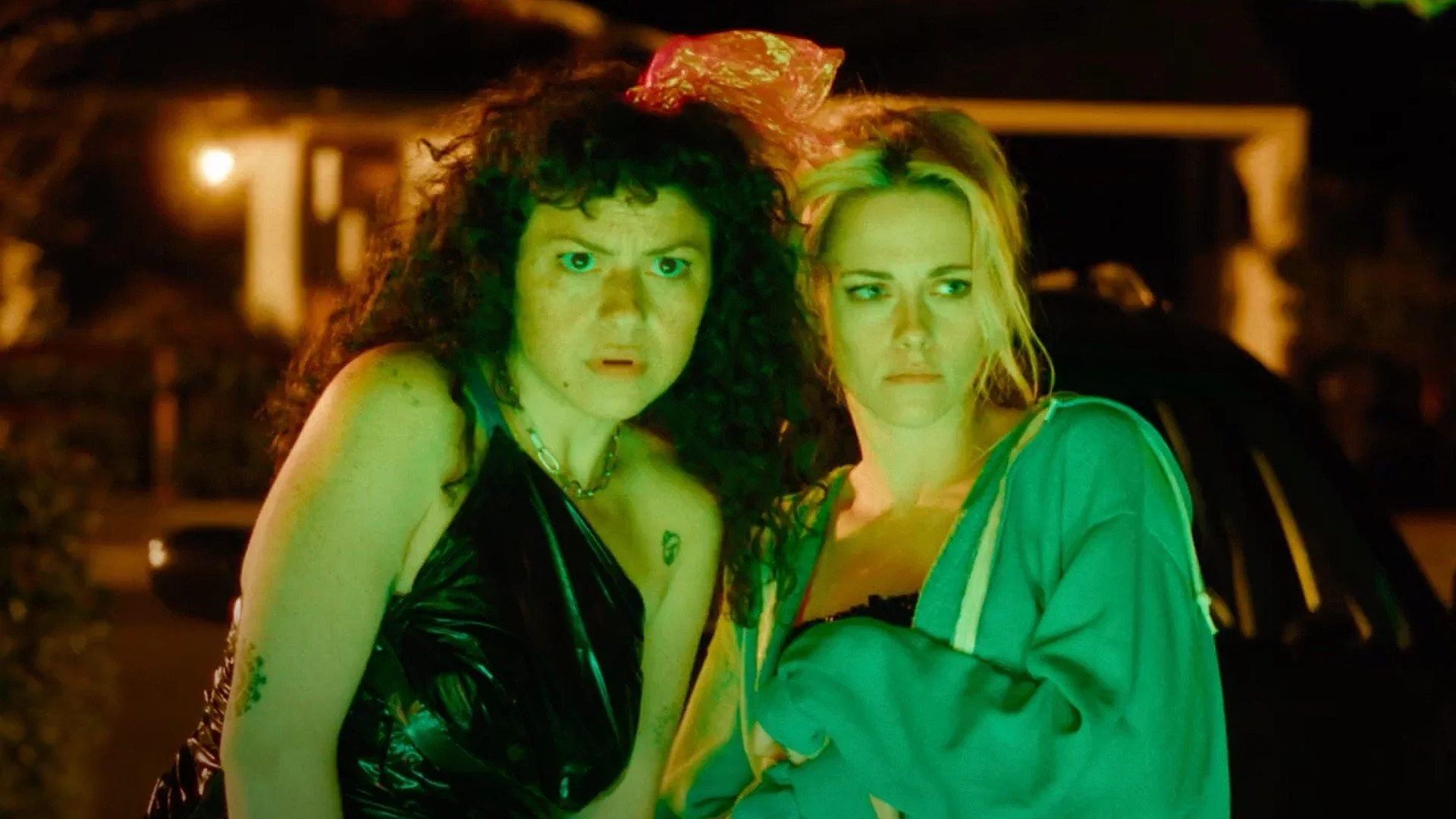
In Teenage Sex and Death at Camp Miasma, we follow Kris Williams, a young filmmaker hired to reboot the famous Camp Miasma slasher franchise. The original Camp Miasma became a cult horror classic back in the day and, naturally, spawned an endless amount of spin-offs, side projects, games, merch, and all the other bullshit that eventually ruined the franchise. At the same time, society has changed the way it looks at certain moral standards, and people have realized that the original film is pretty transphobic and misogynistic. So Kris, a queer filmmaker, is brought in to give the franchise something new and, well, make it politically correct. Kris is also kind of obsessed with the original Camp Miasma and this whole world because the movie made a huge impression on her as a kid — especially Billy Presley, the actress who played the original final girl. Billy stopped acting after this film and disappeared from the public eye, so Kris goes to visit her to talk about possibly getting her involved in the reboot and, more importantly, to understand her a little better. When she finds Billy living in the abandoned camp where Camp Miasma was originally filmed, Kris becomes obsessed not only with her ideas for the movie but with Billy herself, who very knowingly plays into it. From there, Kris goes on a weird little journey through the deepest corners of her own soul, identity, desires, and the childhood memories that shaped her into the person she is.
But Teenage Sex and Death at Camp Miasma isn't really a slasher at its core. It's much more interested in asking why we watch slashers in the first place. Why do they matter culturally? Because for so many kids and teenagers, these movies are their first look into a world of violence and lust. A lot of our first encounters with taboos happen through horror: sex, death, fear, desire. Slashers become this weird first window into all the things we're not supposed to understand yet.
Jane Schoenbrun has already explored the way we live in a world of media and how media influences our lives, and Camp Miasma feels like the third part of that trilogy. What I really like here is the way the film explores our two-way relationship with media. We dictate the rules of media — we create endless reboots and remakes — but media also dictates its own rules, shaping us in return.
Through Kris and the problems of the slasher genre, the movie talks about sexual taboos and our own internal desires, especially when we realize that something we loved might actually be problematic. The original genre is deeply misogynistic, homophobic, and full of its own problems, but that doesn't mean it didn't leave a mark on our culture. And I very much agree with Schoenbrun that a huge part of our personality is made up of the things we consumed throughout our lives, especially when we were kids.
For me, that was stuff like Hannah Montana, H2O: Just Add Water, Totally Spies! and A Nightmare on Elm Street, and later Glee when I was already a teenager. A weird combination, I know. But here we are.
There is also something almost fairytale-like about this whole story of a filmmaker who wants to be very modern and very aware of everything, but the second she finds herself surrounded by the world of her childhood, she immediately gets sucked back into her memories, fixations, problems, and the desire to feel something that other people once felt.
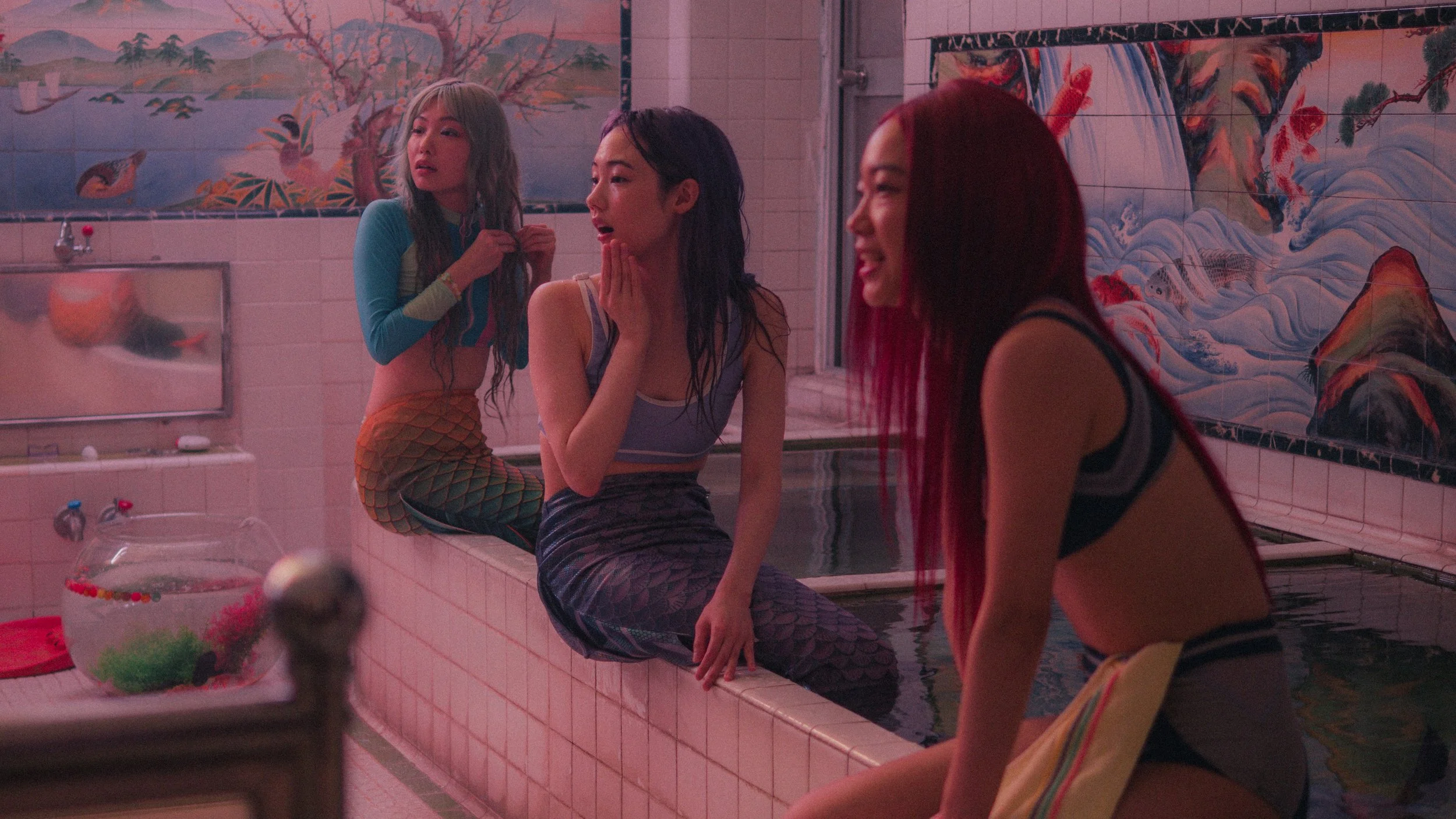
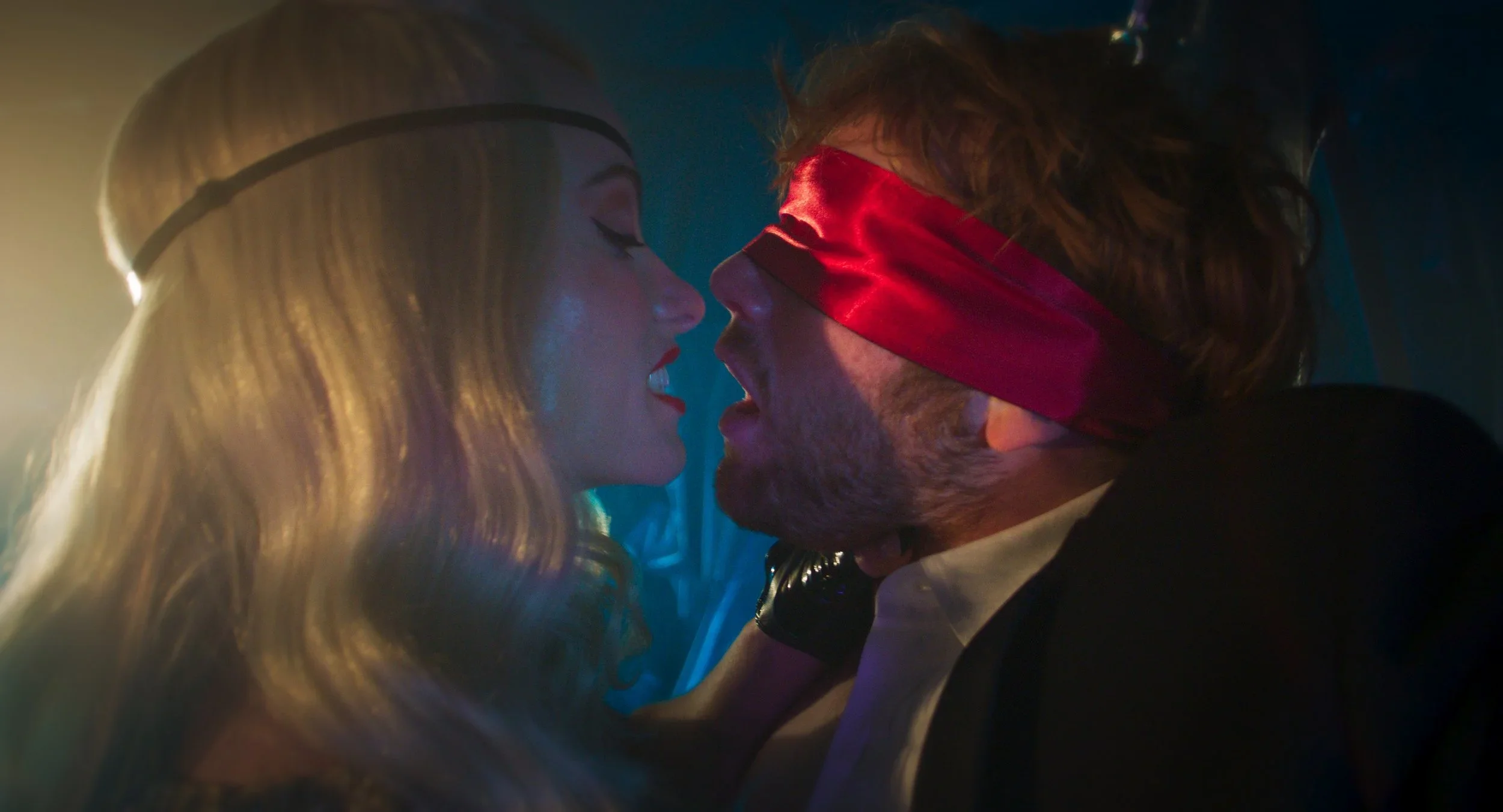
And this is where the movie becomes absolutely gorgeous. It's shot in this incredibly unusual, almost unreal way, constantly turning into something fairytale-like and fake, before becoming cartoonish, slasher-y, or just straight-up funny. The cinematography by Eric Yue is beautiful, and Alex G's music is absolutely fantastic.
But the real heart of the movie is its incredible central duo: Hannah Einbinder and Gillian Anderson. They are basically the only two characters in the entire film, apart from a couple of side characters who appear for a few minutes, and their chemistry is just incredible. They are so different, but somehow they intertwine into one beautiful whole, representing questions of mentorship, childhood crushes, and the desire to become someone mysterious and interesting.
Watching these two on screen is basically one continuous orgasm, which, fittingly enough, is also what the film's main villain, Little Death, represents.
Maybe Teenage Sex and Death at Camp Miasma doesn't make absolute cynical sense in every single moment, but I don't really think it needs to. Its weird, fascinating, and genuinely unique world gives you not only huge aesthetic pleasure but also plenty to think about.
8.5/10
Thanks to Velvet Spoon for the press screening. Catch the film in theaters everywhere now!