The Drama

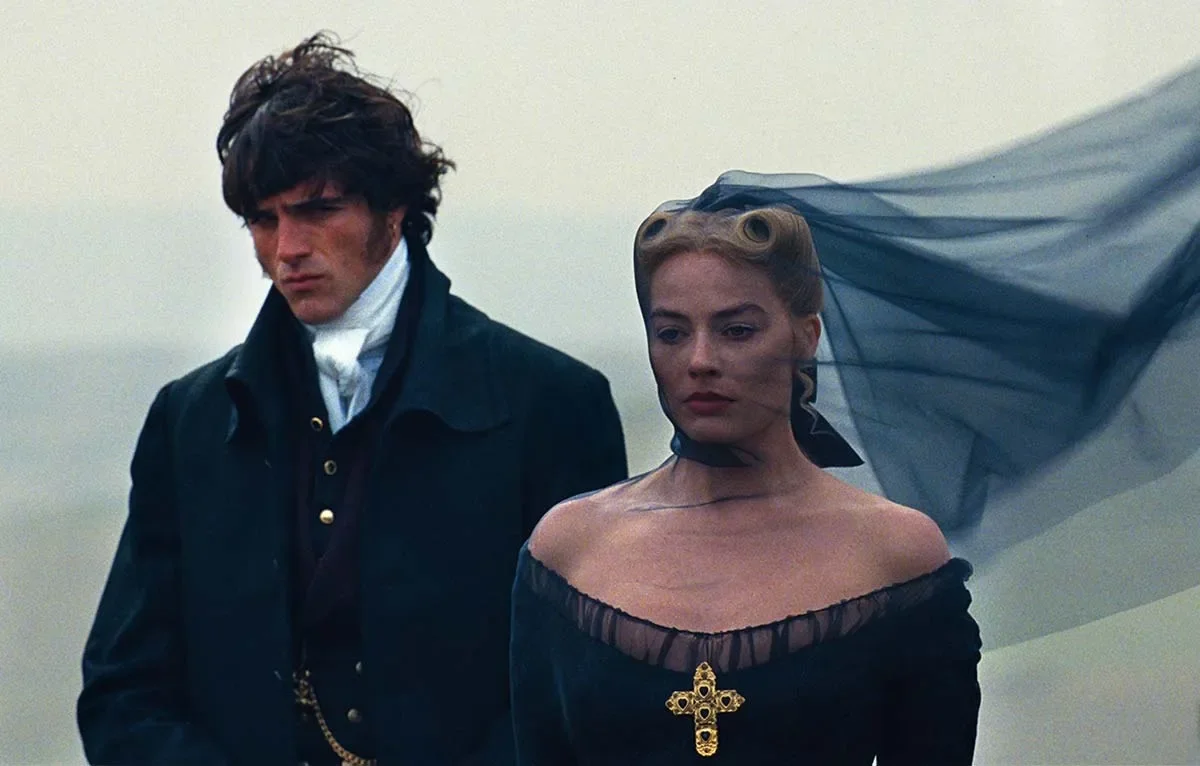
If your wedding doesn’t look like this — please don’t invite me.
How well do you really know someone? Do you want to know their secret? Are you sure? These are just some of the questions you walk away with after watching The Drama, the latest film by Kristoffer Borgli. It’s only the fourth film in his career, and yet it already feels like the kind of movie that’s destined to spark endless online debates.
The Drama follows a young couple, Emma and Charlie, just days before their wedding. During a casual night out with their closest friends, fueled by a couple of bottles of wine, the four of them decide to answer one simple question: what’s the worst thing you’ve ever done? One of the confessions changes absolutely everything — and becomes the driving force of the entire film.
(The rest of this review contains spoilers, necessary for a full discussion)
On one hand, The Drama starts as a sweet, romantic and genuinely funny comedy. The setup gives us a cute montage of Emma and Charlie meeting, falling in love, and planning their future together, all edited in this slightly crazy, almost sitcom-like style. And then, within the first quarter of the film, like a bolt out of nowhere, everything flips.
Emma reveals that when she was fourteen, she almost committed a school shooting. Almost — because something distracted her at the last moment. But she was fully prepared: a recorded goodbye video, shooting practice, a weapon in her hands.
The film doesn’t spend much time building up to this moment, and that’s exactly why it hits so hard. From there, the story becomes incredibly dynamic, because this one revelation reshapes everything — not only between Emma and Charlie, but also with their friends, Mike and Rachel. And somehow, despite diving into something so heavy, the film still manages to stay funny, even light at times, while pulling you into something deeply uncomfortable, tragic, and for some viewers, maybe even political.
I don’t really see it as political, but let’s be honest — this inevitably opens the conversation about gun control, especially in the context of the United States. The film starts asking uncomfortable questions: who is actually responsible for these tragedies? How do we treat victims? How do we treat those who almost became perpetrators? And how do we even process the idea that someone we love could have been capable of something like that?
You might expect the film to become a straightforward story about a morally grey character. But instead, it flips that idea and shows, through different perspectives, that everyone has their own demons. It’s just that our culture decides which ones are forgivable—and which ones define you forever.
Before watching the film, I avoided most information about it. I had seen some mentions of school shootings, and honestly, I was half-expecting something like Remember Me 2.0 with Robert Pattinson. But this is something else entirely. It’s more about human philosophy, about prejudice, about how you look at someone you love when you suddenly realize they might have been a completely different person — and now you’re not even sure if you know them at all.
Zendaya doesn’t just play a potential school shooter — she plays a Black woman in that position, which immediately pushes the narrative into a much more culturally loaded space. The way people start looking at her, how she notices the shift in their attitude, and how she could instantly be framed as a “crazy dangerous Black woman” — it adds way more layers than the film intends to answer. The script doesn’t fully explore her psychology or philosophy as deeply as it could have. Zendaya does a solid job, but she’s not the main star of the film. Because that title belongs to Robert Pattinson.
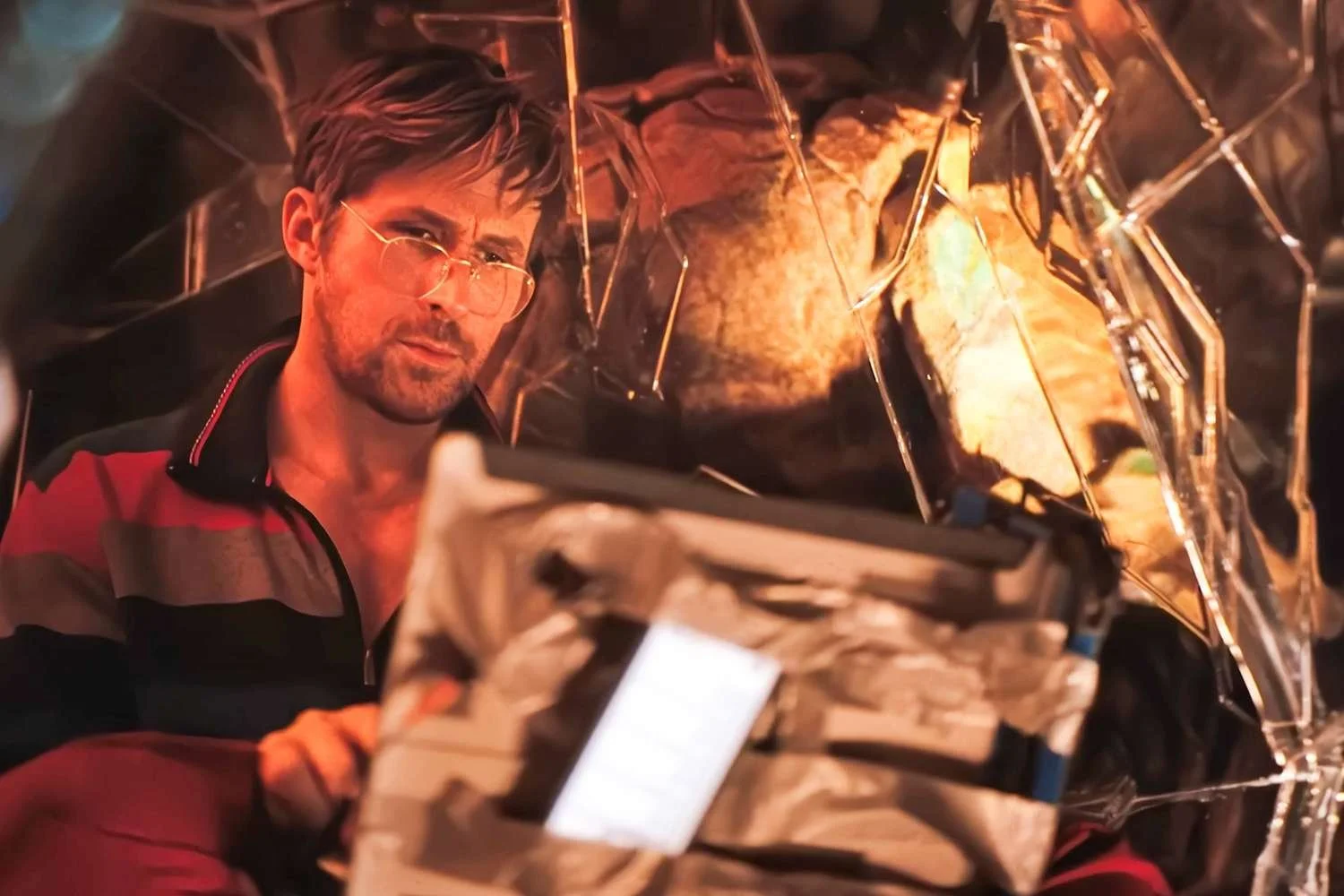
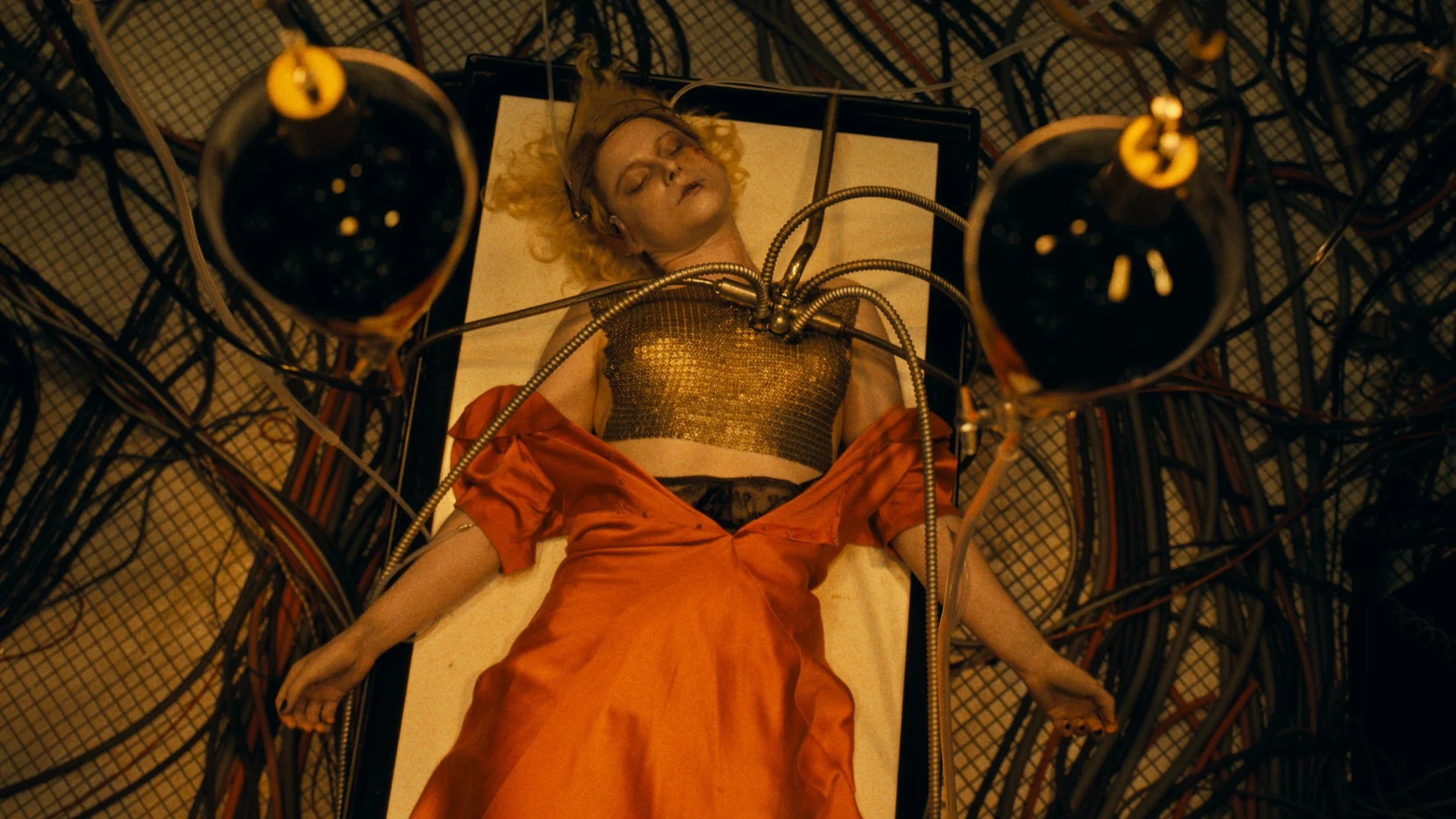
His Charlie starts off as smart, funny, a bit awkward — but once he learns Emma’s secret, he completely falls apart. The second half of the film is basically him disintegrating. He imagines horrible scenarios, has nightmares — at one point there’s even a vision that straight-up mirrors a scene from The Twilight Saga: Breaking Dawn – Part 1, where the whole wedding party is dead. His descent into paranoia and madness reaches an absolute peak, pushing him to do things that are wild, wrong, and messy — not just in his own eyes, but in the eyes of his fiancée and friends. And it all culminates in his chaotic and absolutely iconic wedding speech — something that will 100% end up all over Twitter clips very soon. Pattinson completely kills this role and proves once again how good he is in this kind of dark comedy-drama space.
It’s also worth highlighting Alana Haim as Rachel, whose personal connection to a school shooting pushes her into a much more radical position. While Charlie tries to hold onto love and find some kind of understanding, Rachel is the one who cuts straight through it—judging the situation in a much more absolute, unforgiving way. And then there’s Zoë Winters in a small but memorable role as the wedding photographer. I mean… what does a photographer do? Shoot. When you see the film, you’ll get why that’s insanely funny.
In the end, The Drama is a deeply polarizing film. It’s the kind of movie that makes you want to talk to someone after — about more than just one thing. It makes you want to ask a few uncomfortable questions to your partner, your friends, your family. And that’s exactly where its power lies.
Borgli managed to create something surprisingly accessible while weaving in such a sensitive and explosive topic — and that deserves real respect. Not everything works perfectly. I would have liked a deeper exploration of Emma as a character. But at the same time, the story is clearly told through Charlie and their friends — people who suddenly learn this information and try to process it, to understand it, to fill in the gaps themselves, often making it feel even more radical and confusing.
I can absolutely understand why this film might trigger negative reactions, especially from people directly affected by school shootings, particularly in the United States. And yes, it’s probably easier to reflect on this from Europe — which is exactly what I’m doing. But to me, raising this topic is more important than avoiding it. Even in this way. Even if it means placing a potential perpetrator into a morally grey space.
Because despite all that moral ambiguity, The Drama remains a vivid, memorable experience — one that is definitely worth watching.
8/10
Thanks to Monolith Films for the early screening. The Drama will be in theaters everywhere from April 3.