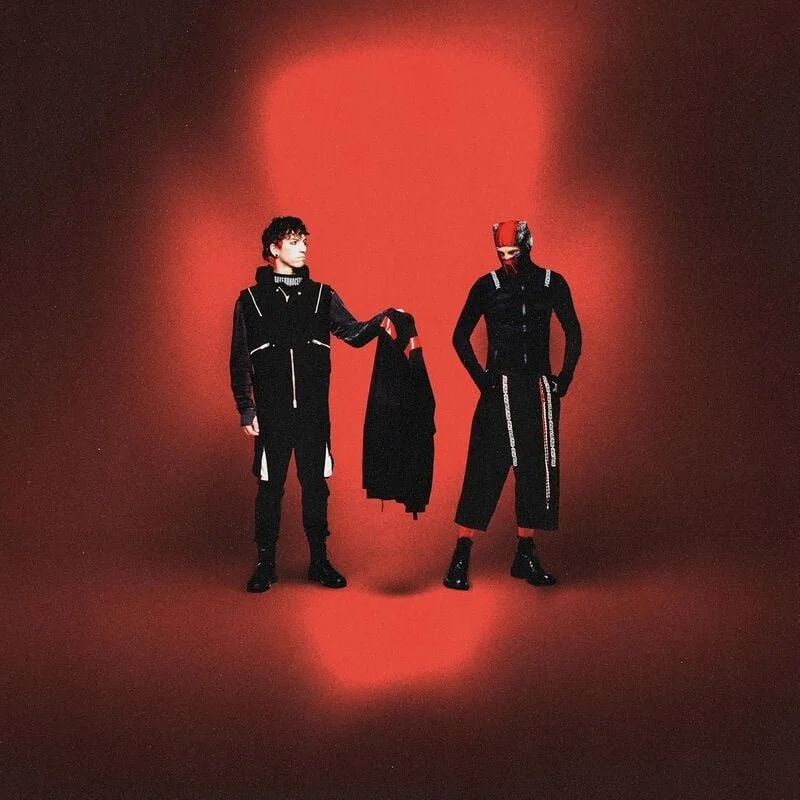
Snail Mail - Ricochet

Lindsey Jordan’s third album is a profound reflection on time and the things that slip away, all wrapped in a lingering haze of nostalgia.
Lindsey Jordan’s project, Snail Mail, burst onto the indie scene with Lush in 2018, earning widespread acclaim from critics and publications alike. The debut consisted largely of raw, sincere songs about love and coming of age. Her follow-up, Valentine, released in 2021, introduced a stronger pop sensibility into her discography. Nearly five years passed before Ricochet, her third studio album, arrived—an effort that pays tribute to ’90s alternative rock.
The influence of that era is evident throughout the record. Take the opening track “Tractor Beam”, where Jordan’s vocals feel muted and hazy as the dreamy instrumentation transports the listener to distant memories—once familiar, now out of reach. A similar effect appears on “My Maker”, a light, spring-like composition that feels like the first warm ray of sunlight after an endless winter. The sonic palette complements the album’s lyrical themes: nearly every track on Ricochet is steeped in introspection, anxiety, and acceptance. It feels like an acknowledgment that the world keeps turning, regardless of what unfolds within your own small orbit.
Another standout moment is “Dead End”, a song that mourns the simplicity of suburban adolescence—whether it’s aimless wandering or those first shared cigarettes with friends. Musically, it blends a wall of grunge textures with a piercing guitar lead and sugary hooks, steadily building tension before erupting into an explosive “na-na-na” chorus. Meanwhile, “Agony Freak” carries the spirit of a nostalgic cult anthem—one of the album’s most self-assured moments, where Jordan sounds impeccable, her restrained delivery distant yet enigmatic.
That said, not everything on Ricochet feels fully realized. At times, certain tracks seem unsure of their direction: “Cruise” starts off charming and unassuming but gradually sinks into repetition. “Butterfly”, on the other hand, has a playful, lively tone, yet lacks a memorable hook strong enough to leave a lasting impression.
Overall, Ricochet unfolds as a soft, cohesive listen. It doesn’t chase dramatic turns, and at times can feel almost static. Still, there’s a deeper emotional current running underneath: a record preoccupied with fading connections, lost innocence, and the quiet pain of disconnection. Rather than dwelling on hardship, it captures a subtler unease — the realization that even the most beautiful moments rarely last.
7.0/10