Julia Holter - Materia
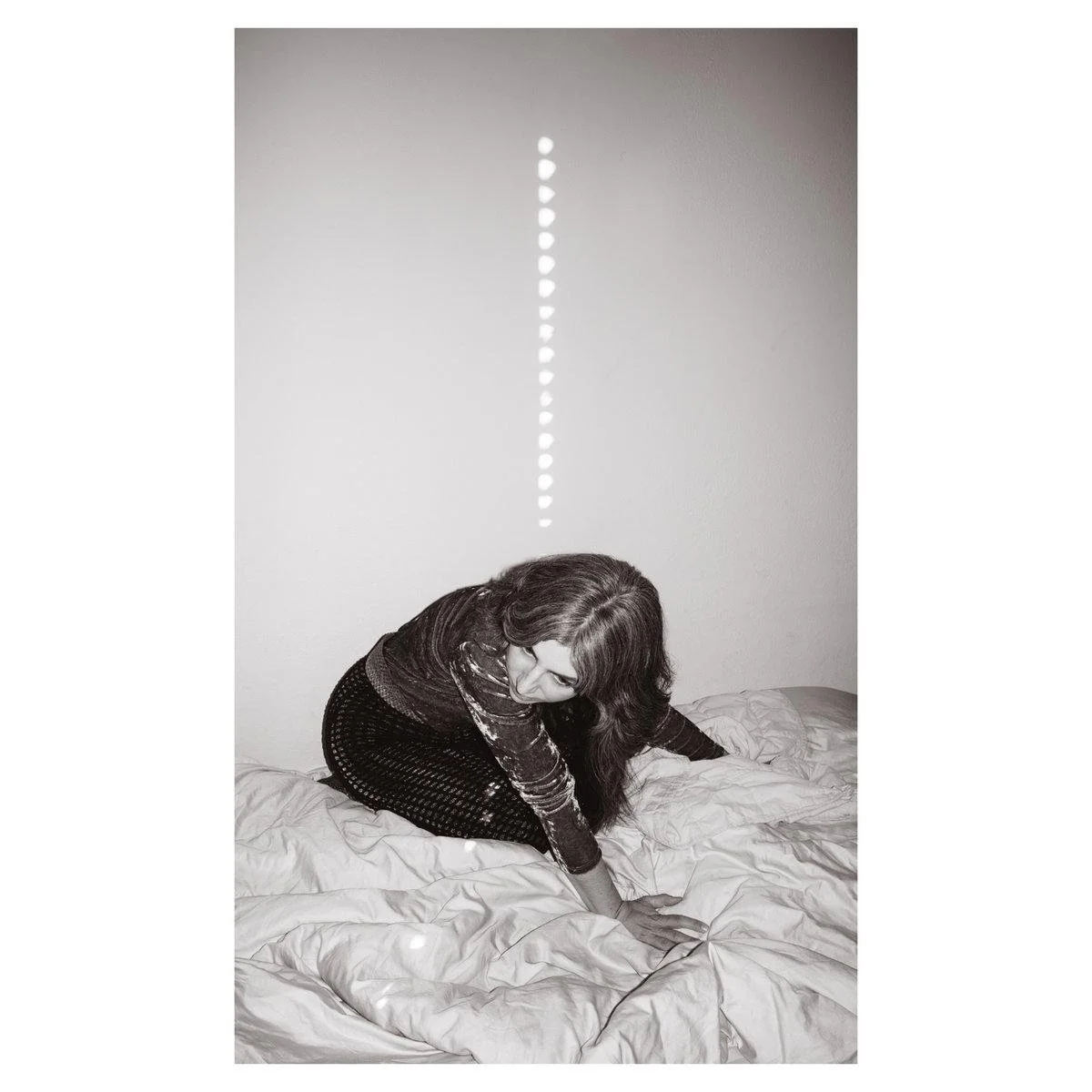
Airy and stripped-back, Julia Holter's new album is an intriguing continuation of its predecessor.
Julia Holter's music has always stood apart, if only because of the way she so masterfully approaches the possibilities of art pop. From the imaginative Loud City Song to the landmark Have You in My Wilderness, from the grandiose Aviary to the experimental Something in the Room She Moves, her work has consistently impressed with its scale, ambition, and constantly shifting forms. Her new album, Materia, takes the opposite approach. It is the shortest record of her career, but even within its compact runtime, Holter finds plenty of room to surprise.
The album itself is conceived as a natural continuation of 2024's Something in the Room She Moves. Opening track “The Laugh Is in the Eyes” greets the listener with bright, curious sounds, whistles, and shrieks. It feels like being wrapped in the last rays of sunlight before the arrival of a cold autumn. Holter's voice dissolves into shimmering reverb before the song suddenly pulls back midway through, leaving you alone with the singer. For a moment, it feels like returning to childhood and playing with old friends.
The gentler “My Lost One” slows the record down, with Holter slipping into a soft whisper accompanied by curious chirps. When the chorus arrives, her voice soars upward, scattering like an echo across the song's entire sonic landscape. The saxophone adds another layer of drama, making you feel like the protagonist of a black-and-white movie. Then the majestic synthesizers of “Fantasy” seize your attention just before Holter sends you soaring into the heavens during the chorus. With its lush percussion and dreamy vocals, the track feels like a brief passage into another dimension.
The ten-minute epic “My Twin” begins as a delicate lullaby before gradually accumulating hundreds of tiny musical details that eventually lock together into one dense, intricate structure. Just as abruptly, it slows down again, like a candle burning itself out. By the end, it feels as though you're wandering through a forest filled with secrets, never quite sure what might be waiting around the next corner.
The album's central idea is the reworking of one of the key tracks from Something in the Room She Moves: “Materia” itself. “Materia 2” feels like a hallucinatory dream assembled from drum machines, fretless bass, and clarinet, with Holter's voice floating weightlessly alongside Jessica Kenney's. She also reimagines the lyrics, introducing new fragments of surreal imagery that deepen the original's connection between spirit and body, love and blood. On “Materia 3”, Holter literally slows down the version that appeared on its predecessor. The alteration not only highlights the unpredictable beauty of the song's harmonies, but also reveals its emotional depth, reinforcing the sense that this is ultimately a song about learning how to live.
"Don't press mute, just let the noises shine / May the daydream flood my mind", Holter sings on “Fantasy”. For the most part, Materia could easily be summed up by those lines. It is an intensely dreamy record built around meticulous sound design. Many of the sonic choices made here might not work in isolation, yet Holter somehow brings all these disparate elements together into something coherent and beautiful. And while Materia doesn't represent a dramatic leap forward for her sound—instead, Holter seems more interested in closely examining and reshaping the patterns established on her previous record—it remains a fascinating new perspective on music from one of contemporary art pop's most distinctive voices.
7.2/10